Een hond adopteren uit Bosnië of Servië: alles wat je moet weten
Steeds meer mensen ontdekken de bijzondere honden die in Bosnië en Servië wachten op een eigen thuis. Maar waar komen deze honden vandaan? Waarom zijn er zoveel straathonden en hoe ziet hun leven eruit voordat ze geadopteerd worden?
Achter iedere straathond schuilt een verhaal. Een verhaal van overleven, wachten en hopen op iemand die hem ziet.
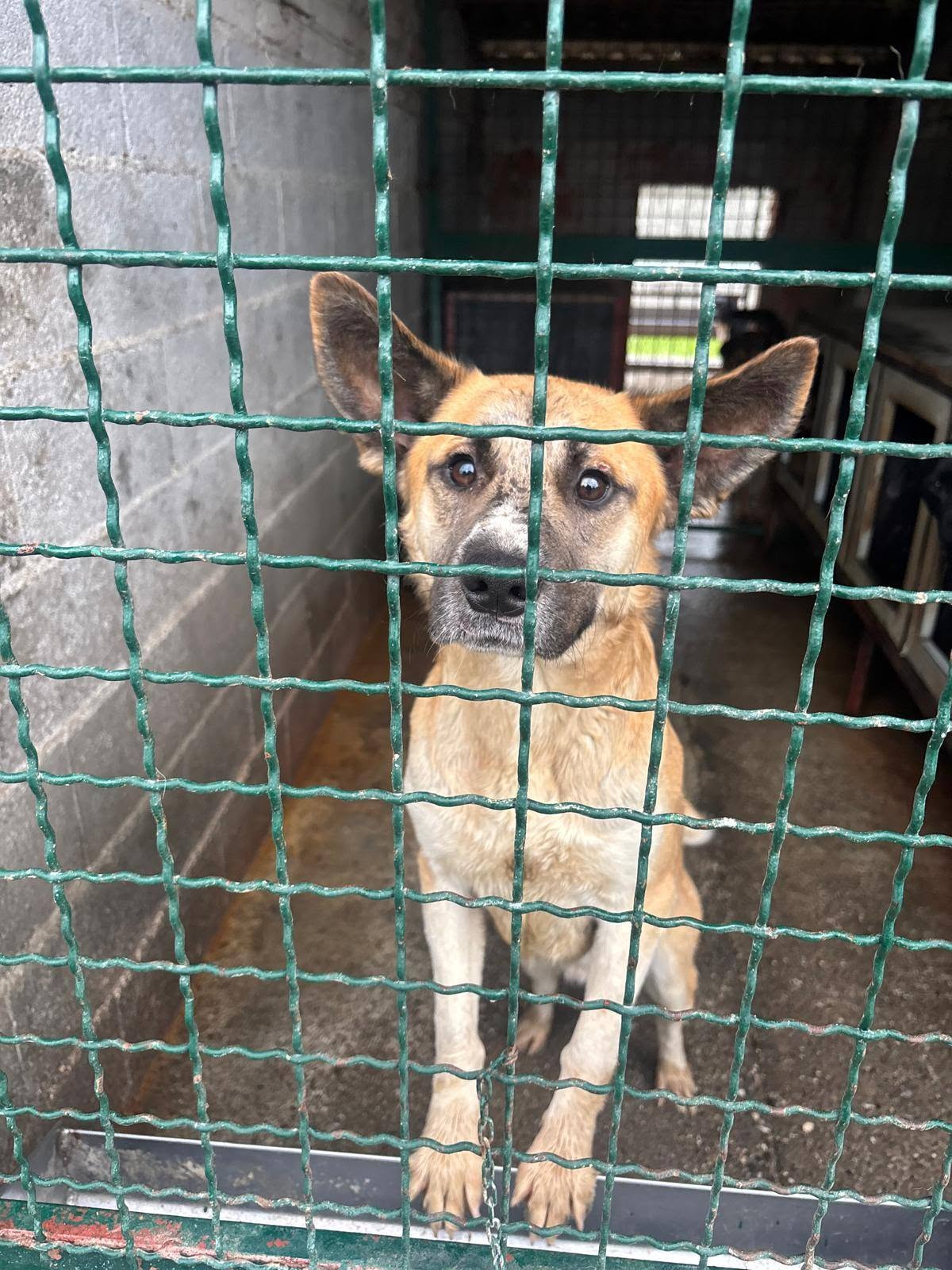
In Bosnië en Servië leven heel veel honden zonder een veilig thuis. Sommige zwerven door straten en dorpen, anderen wachten jarenlang in gemeentelijke opvangcentra zonder uitzicht op een eigen gezin.
Ze hebben geen stem om hulp te vragen. Geen plek om naar terug te keren. Geen zekerheid over morgen.
Toch zijn het vaak sociale, lieve en bijzondere honden die niets liever willen dan ergens thuiskomen.
In dit artikel nemen we je mee in de situatie van straathonden op de Balkan, waarom dit probleem zo groot is en waarom iedere adoptie een verschil maakt.
Niet iedere hond heeft een veilige plek
Er zijn honden die iedere avond op een zachte mand in slaap vallen, wetend dat er de volgende ochtend weer een wandeling, een volle voerbak en een liefdevol gezin op hen wacht.
En er zijn honden die niet weten waar ze die nacht zullen slapen.
Ze schuilen onder auto’s tegen de regen, zoeken eten tussen het afval en hopen dat de volgende persoon die ze tegenkomen vriendelijk is.
Dat ze niet worden weggejaagd.
Dat ze misschien een aai krijgen.
Of een stukje brood.
Voor duizenden honden in Bosnië en Servië is dat geen uitzondering, maar het dagelijks leven.
Toch hoeft dat niet het einde van hun verhaal te zijn.
Dankzij vrijwilligers, donateurs en adoptanten krijgen steeds meer straathonden een tweede kans. Niet alleen op een huis, maar op een leven waarin ze eindelijk mogen ontspannen, spelen en simpelweg hond mogen zijn.
Bij Hope for Dogs zetten we ons daar iedere dag met hart en ziel voor in. We begeleiden het volledige adoptietraject, vanaf het moment dat een hond van straat wordt gehaald tot de dag waarop hij veilig in jouw armen ligt.
Een hond adopteren is een bijzondere stap. Daarom vinden wij dat je precies mag weten wat je kunt verwachten.
De situatie voor straathonden in Bosnië en Servië
Het zwerfhondenprobleem op de Balkan bestaat al lange tijd en is ontstaan door een combinatie van verschillende factoren.
De oorlogen in de jaren negentig hebben de situatie verder verergerd. Ook na de oorlog bleef het probleem bestaan. Door een gebrek aan structurele sterilisatieprogramma’s, beperkte middelen voor dierenzorg en verschillen in de manier waarop honden worden gehouden, blijven er jaarlijks veel honden zonder veilig thuis achter.
Gelukkig zien we dat er langzaam steeds meer bewustwording ontstaat rondom dierenwelzijn.
Tegelijkertijd heeft gedragsverandering tijd nodig. Een andere kijk op honden ontstaat niet van de ene op de andere dag. Zolang er nog veel ongewenste nesten worden geboren, blijft de instroom van nieuwe honden helaas groter dan de beschikbare hulp aankan.
Voor veel honden betekent dat een leven vol onzekerheid.
Sommigen weten iedere dag ergens een maaltijd bij elkaar te scharrelen. Anderen hebben dat geluk niet.
Ze kunnen niet vertellen dat ze honger hebben, pijn hebben of bang zijn. Ze wachten simpelweg af of iemand hen ziet.
Veel straathonden zijn verrassend sociaal. Ze zoeken juist de nabijheid van mensen, in de hoop dat iemand even stil blijft staan.
Dat iemand een bakje water neerzet.
Dat iemand besluit:
“Jou laat ik niet achter.”
En precies daar begint voor sommige honden hun nieuwe leven.
Verandering begint ook bij de bron
Bij Hope for Dogs geloven we dat het zwerfhondenprobleem niet alleen wordt opgelost door honden een thuis in het buitenland te geven.
Iedere hond die we redden is goud waard, maar uiteindelijk willen we ook bijdragen aan verandering bij de bron.
Daarom proberen we op verschillende niveaus verschil te maken.
Lokaal bieden we directe hulp
We helpen honden die het nodig hebben door:
- Medische zorg te regelen
- Voeding en opvang te bieden
- Sterilisaties mogelijk te maken
- Pups en kwetsbare honden te verzorgen
- Een veilig thuis voor honden te zoeken
Daarnaast werken we aan bewustwording
Op een breder niveau proberen we:
- Bewustwording rondom dierenwelzijn te vergroten
- Gesprekken aan te gaan met lokale partijen en gemeenten
- Aandacht te vragen voor verantwoordelijkheid
- Te zoeken naar structurele en duurzame oplossingen
Verandering kost tijd. Een andere kijk op dierenwelzijn ontstaat niet van de ene op de andere dag.
Maar iedere stap helpt.
Dankzij het internet en sociale media kunnen verhalen, kennis en ervaringen zich sneller verspreiden dan ooit. Hierdoor bereiken we steeds meer mensen en hopen we stap voor stap mee te bouwen aan een toekomst waarin minder honden op straat worden geboren en meer honden de zorg krijgen die ze verdienen.
Gemeentelijke asielen: opvang betekent niet altijd veiligheid
Wanneer honden van straat worden gehaald, belanden ze regelmatig in een gemeentelijk asiel.
Dat klinkt misschien als goed nieuws, maar helaas is de werkelijkheid vaak anders. De opvang biedt namelijk lang niet altijd uitzicht op een betere toekomst.
In veel gemeentelijke asielen leven honden met grote groepen bij elkaar. Er is meestal voldoende om hen in leven te houden, maar nauwelijks ruimte voor:
- Individuele aandacht
- Verrijking
- Uitgebreide medische zorg
- Wandelingen
- Training en socialisatie
- Actieve adoptiebemiddeling
Wat veel mensen niet weten, is dat deze asielen vaak helemaal niet actief op zoek gaan naar een nieuw thuis voor de honden.
Ze bieden opvang, maar begeleiden meestal geen adopties. Daardoor brengen sommige honden er jarenlang door, zonder ooit nog een gezin te vinden.
Ze zien de seizoenen voorbijgaan vanuit hetzelfde hok.
Geen wandelingen.
Geen eigen mand.
Geen speelgoed.
Geen knuffels.
Gewoon wachten en overleven.
En vaak weet niemand dat ze er überhaupt zitten.
Onze opvang ligt direct naast een gemeentelijk asiel. Ook daar proberen we zorg voor te dragen.
We kennen veel van hun gezichten, hun verhalen en soms zelfs hun karakter. Waar we kunnen, proberen we hen te helpen.
Soms door medische zorg te regelen.
Soms door extra aandacht te geven.
En soms door juist voor deze vergeten honden een thuis te zoeken.
Want ook zij verdienen het om gezien te worden.
Waarom internationale adoptie zo belangrijk is
Wij proberen met een klein team stap voor stap verschil te maken.
Eén hond tegelijk, maar met oog voor het grotere probleem.
Door opvang, medische zorg, sterilisaties en bewustwording hopen we niet alleen vandaag honden te helpen, maar ook bij te dragen aan verandering op de lange termijn.
Dit doen we met een handjevol mensen, grotendeels op eigen kosten en afhankelijk van donaties.
We halen honden van straat, brengen ze naar de dierenarts, laten ze steriliseren, verzorgen pups zonder moeder en staan midden in de nacht op wanneer een hond hulp nodig heeft.
Maar hoeveel liefde er ook is, er zijn simpelweg veel meer honden dan beschikbare plekken.
Daar komt bij dat de vraag naar adoptiehonden binnen Bosnië en Servië relatief klein is.
Natuurlijk zijn er mensen die hun hond als een volwaardig gezinslid zien. Maar honden worden er ook nog regelmatig gehouden als waakhond. Ze leven dan buiten, aan een ketting of in een te kleine kennel.
Juist daarom betekent een adoptie naar een land met een andere mentaliteit voor veel honden een compleet ander leven.
Een leven waarin ze niet langer hoeven te overleven.
Maar mogen léven.
Waar een warme mand vanzelfsprekend is.
Waar wandelen iets leuks is.
Waar een verjaardag wordt gevierd.
Waar iemand zegt:
“Kom maar hier.”
En dat is voor veel van onze honden iets wat ze nog nooit hebben gekend.
Waarom een hond uit het buitenland adopteren?
Een vraag die we regelmatig krijgen is:
“Maar zijn er in Nederland dan niet al genoeg honden die een thuis zoeken?”
Dat klopt.
Ook in Nederland wachten honden in asielen op een liefdevol gezin. Iedere hond verdient een fijn thuis, waar dan ook. Daar staan wij volledig achter.
Toch is de situatie in Bosnië en Servië nauwelijks te vergelijken.
Nederlandse asielen beschikken over het algemeen over goede medische zorg, begeleiding en actieve adoptiebemiddeling.
Veel honden op de Balkan hebben die mogelijkheden simpelweg niet.
Voor sommige honden is een internationale adoptie daarom niet een van de opties.
Het is vaak hun enige kans.
Wat maakt een straathond zo bijzonder?
Geen enkele hond is hetzelfde. Ook straathonden niet.
Toch zien we vaak een aantal mooie overeenkomsten.
Veel van deze honden zijn ontzettend veerkrachtig. Ondanks alles wat ze hebben meegemaakt, blijven ze nieuwsgierig naar mensen.
Ze leren snel, passen zich verrassend goed aan en genieten intens van kleine dingen die voor andere honden misschien heel gewoon lijken.
De eerste keer op een zachte bank.
De eerste keer spelen met een knuffel.
De eerste keer zonder angst in slaap vallen.
Dat zijn momenten die we keer op keer terugzien.
Net als hoe diep ze zich kunnen hechten zodra ze ontdekken dat ze veilig zijn.
Veel adoptanten vertellen ons maanden later precies hetzelfde:
Dat ze zich niet meer kunnen voorstellen hoe het leven ooit zonder hun hond was.
En eerlijk?
Dat blijft misschien wel het mooiste onderdeel van ons werk.
Met iedere adoptie help je meer dan één hond
Wanneer een hond vertrekt naar zijn nieuwe gezin, verandert er meer dan alleen zijn eigen leven.
Er komt namelijk weer een plekje vrij.
Een plekje voor de volgende hond die hulp nodig heeft.
De volgende pup die langs een drukke weg wordt gevonden.
De volgende moederhond met haar nest.
De volgende hond die jarenlang in een gemeentelijk asiel heeft gewacht.
Iedere adoptie betekent dus niet alleen een nieuw begin voor één hond. Het geeft ons ook de mogelijkheid om de volgende hond van straat te halen.
En dat is precies waarom iedere adoptie zoveel verschil maakt.
Een tweede kans begint niet alleen bij adoptie
Niet iedereen kan adopteren, maar iedereen kan op een manier bijdragen.
Donaties maken het mogelijk dat wij honden kunnen blijven helpen. Van medische zorg en voeding tot opvang, sterilisaties en de dagelijkse verzorging die zoveel honden nodig hebben.
Dankzij deze steun kunnen wij blijven doen wat we doen en ook morgen weer klaarstaan voor een hond die ons nodig heeft.
Een hond helpen betekent meer dan alleen een thuis vinden.
Ook nadat een hond is geadopteerd, blijven er andere honden wachten op hulp.
Iedere adoptie, iedere donatie en ieder gedeeld bericht helpt ons om verder te gaan.
Iedere hond die we helpen, begint met iemand die omkijkt.
Soms is dat een vrijwilliger op straat die stopt wanneer niemand anders stopt.
Soms een adoptant die een deur opent en een hond een thuis geeft.
Soms iemand die helpt met een donatie, zodat medische zorg en opvang mogelijk blijven.
Soms iemand die simpelweg een bericht deelt, waardoor het verhaal van een hond bij de juiste persoon terechtkomt.
Geen enkele hond verandert zijn leven helemaal alleen.
Achter iedere tweede kans staan mensen die ervoor kiezen iets te betekenen, ieder op hun eigen manier.
Iedereen kan een schakel zijn.